
The Garden of Stubborn Cats
 In this Italo Calvino fantasy, a bored man spends his lunch breaks following a neighbourhood cat on its afternoon rounds through his rapidly growing the city. Thanks to the cat, he discovers a secret world within the city known only to its feline inhabitants. The story takes a grim turn when the cat steals a fish and leads the man to an overgrown garden that provides the last sanctuary for stray cats in the city. When progress tries to claim it, the cats and other animal residents fight back. Themes: social class, the negative aspects of progress, adaptivity, rebellion.
 This story by
 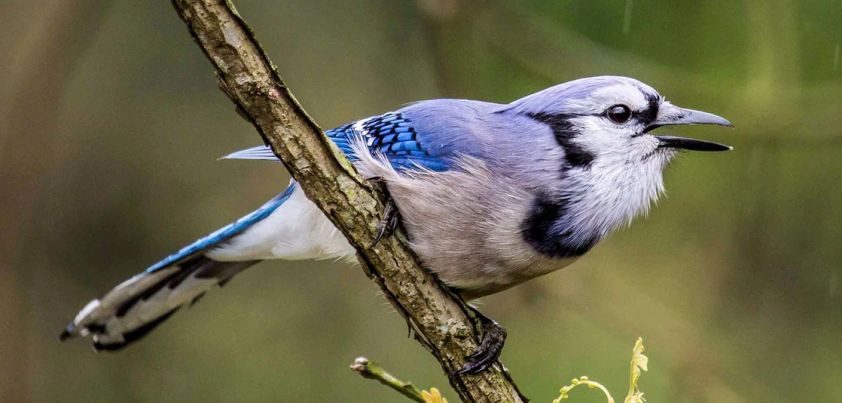 In this story by
 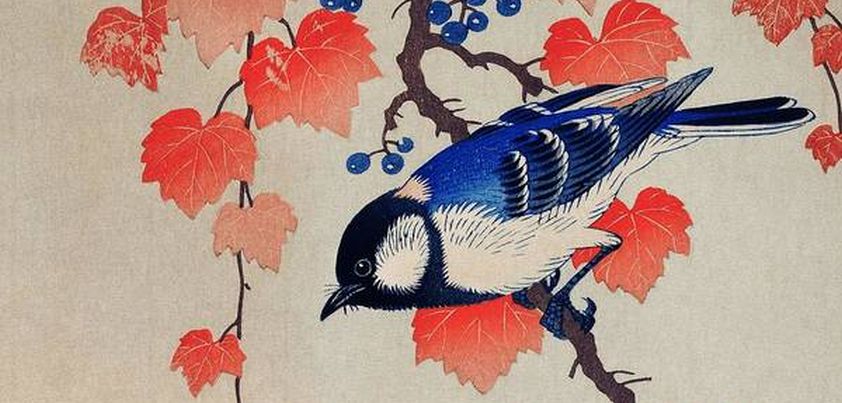 The Jay is one of
  Today we have three stories (Crossing the Zbrucz, My First Goose and Salt) from Red Cavalry, a collection of edited entries from the war diary of Russian author
  In this story by
  This story by Filipino writer
  Once you get used to the preposterous names and characters, this